What’s Biting & Catches
Up-to-date fishing reports and what’s biting near you today
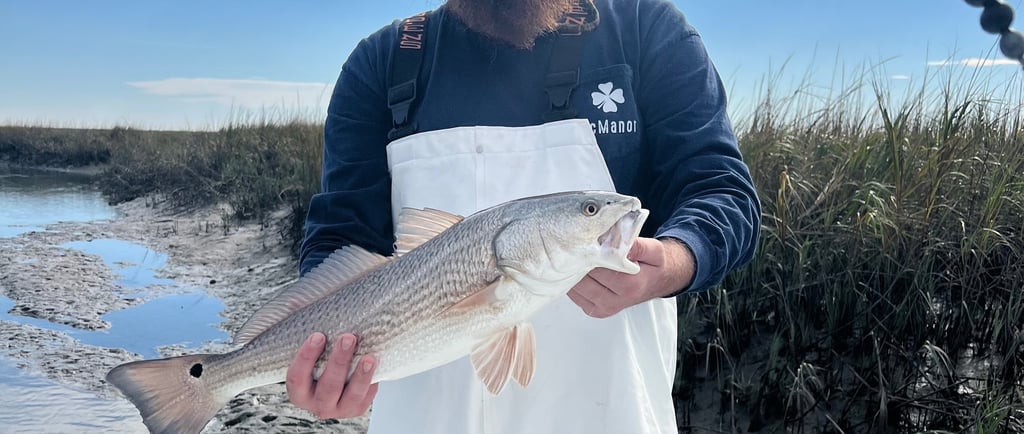
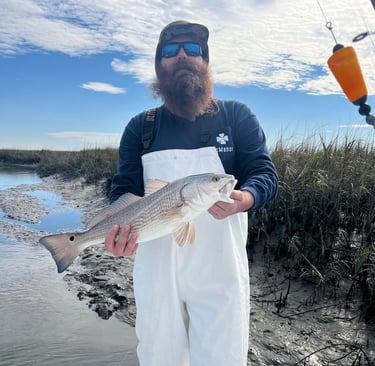
Fresh catch
Fishing Report
What’s biting today?
Winter months is the perfect time to fish. Inshore and nearshore fishing is on fire. The Redfish are schooled up in the shallow creeks. Trout are still biting good in creek mouths. Sheepshead, Black Sea Bass Flounder are on the offshore reefs and thick until April. May is the start of Grouper season. This year is very special because we will have a 60+ day American Red Snapper for 2026 season in South Carolina only. Once the dates are announced they will be posted here.
How often are reports updated?
We update fishing reports every morning to keep you informed.
What’s offshore bottom fishing?
Offshore bottom fishing in South Carolina means fishing over reefs, wrecks, ledges, and hard bottom in the Atlantic—typically 20 to 40+ miles offshore—by dropping baits straight down to target fish that live near the sea floor.
What you’re fishing for
South Carolina has some of the best bottom fishing on the East Coast. Common targets include:
Vermilion snapper (beeliners)
Red snapper (open 60+ days in the summer months)
Cobia
Black sea bass
Triggerfish
Grouper (gag, scamp, red)
Amberjack
Poragy & grunts
King mackerel
Wahoo
How it’s done
Heavy rods and reels with braided line
Chicken rigs or knocker rigs with multiple hooks
Baits like cut squid, cigar minnows, sardines, or bonito
Fishing depths range from 50 ft to 100+ ft, depending on the spot
Why people love it
High action—often nonstop bites
Great for families and first-timers
You usually bring home quality table fare
Less waiting than trolling for pelagics
Offshore bottom fishing vs inshore
Yes, we track seasonal patterns to help plan your trips.
What’s Inshore Fishing Like?
Inshore: calmer water, lighter tackle, smaller fish
Offshore bottom: deeper water, bigger fish, heavier gear, more variety
Do you cover seasonal changes?
The Setting
Where you fish: Inshore fishing takes place close to shore — in tidal creeks, marsh grass flats, estuaries, rivers, and Charleston Harbor — usually just a few miles from land.
Water conditions: The water is typically calmer than offshore, with minimal waves and wind, making it a great choice for families and anglers new to saltwater fishing.
Wildlife & scenery: Expect beautiful Lowcountry landscapes and encounters with dolphins, sea turtles, birds, and even manatees while you fish.
Common Fish You’ll Encounter
Charleston’s inshore fisheries are rich and varied, with different species more active depending on season and tide:
Year-round or common targets:
Red Drum (Redfish) – the signature inshore species, often seen tailing in shallow grass flats as they feed.
Speckled Trout (Spotted Sea Trout) – aggressive feeders found near oyster beds, creek mouths, and deeper holes.
Flounder – ambush predators on sandy or muddy bottoms.
Sheepshead & Black Drum – around docks, pilings, and structure.
Ladyfish & Sharks – often encountered in summer or near the harbor.
Seasonal highlights:
Tarpon in summer (July-September) for those seeking a bigger challenge.
Winter schools of redfish concentrated on mud flats with clearer water in colder months.
Style of Fishing
Light tackle & sight fishing: Many anglers enjoy sight fishing for reds and trout on flats with light tackle or fly gear.
Live bait & cork rigs: Using live shrimp, mud minnows, or finger mullet under a cork along grass edges and creek mouths is very effective, especially for trout.
Bottom rigs: Great for flounder, sheepshead, and drum around structure.
Tide-driven: Charleston’s big tides strongly influence where fish are feeding — timing your trip around flood and ebb tides can make a big difference.
Experience Level & Accessibility
Great for all skill levels: Whether you’re a seasoned angler or first-timer, the calm waters and variety of fish make inshore fishing enjoyable.
Family friendly: Shorter trips (half-day or even a few hours) are common and ideal for families.
Chartered or DIY: You can go out with a guide/charter to learn the best techniques and spots, or fish from private boats, kayaks, or certain shore/piers if you have gear and a license.
Tips for the Best
Go early or late: Early morning and late afternoon often offer calmer winds and more active fish.
Watch the tide: Many catches — especially redfish — are tied to tidal movements.
Choose your gear: Light to medium tackle, popping corks, and live bait setups are staples.
Weather matters: Mornings are often calmer and more productive; afternoon winds and showers can shift fish behavior.
The latest fishing report helped me catch a big bass last weekend—couldn't be happier with the timely updates!
Jim B.


★★★★★